Customer story
Tebi handed off billing and got room to grow

By the numbers
8
markets
run on one billing setup
>1
day
of finance time gained per cycle
1
team
of engineers Tebi didn't have to hire to build billing
With contributions from

Lara Evertsen
Head of Finance
In a nutshell
Tebi is a modern, hospitality-first, all-in-one tech OS that helps restaurants, cafés, bars, and venues run smoother service, understand their business in real time, and grow profitably. Tebi brings reservations, POS, kitchen display, payments, inventory and even business insights into one intuitive, mobile-first system, so teams no longer juggle disconnected tools or messy integrations. By connecting front-of-house service with back-office admin, it gives owners real-time visibility on sales, stock and performance while the system quietly automates the paperwork in the background. Over the last year, they grew from just one market to 8.
Challenge
Tebi ran SaaS billing inside its own POS system. As it grew into new markets and its pricing grew more sophisticated, that setup was doing more than it was built for. Keeping it running was becoming an operational lift for both engineering and finance, and Tebi could see that only increasing as the roadmap is moving toward usage-based and AI-driven products.
Solution
Rather than keep investing in an internal billing stack, Tebi moved billing to Solvimon, built by the team that scaled Adyen's billing engine. What mattered was configuring pricing logic without building and maintaining it in-house, room to move from flat subscriptions toward usage-based and AI-driven products, and the confidence that the business could eventually own more of its pricing plans and subscriptions. When Tebi needed a different discount setup, Solvimon discussed it directly and built support for it.
How a fast-growing restaurant management system handed its billing to the team that scaled Adyen's, and freed itself to change pricing without rebuilding anything.

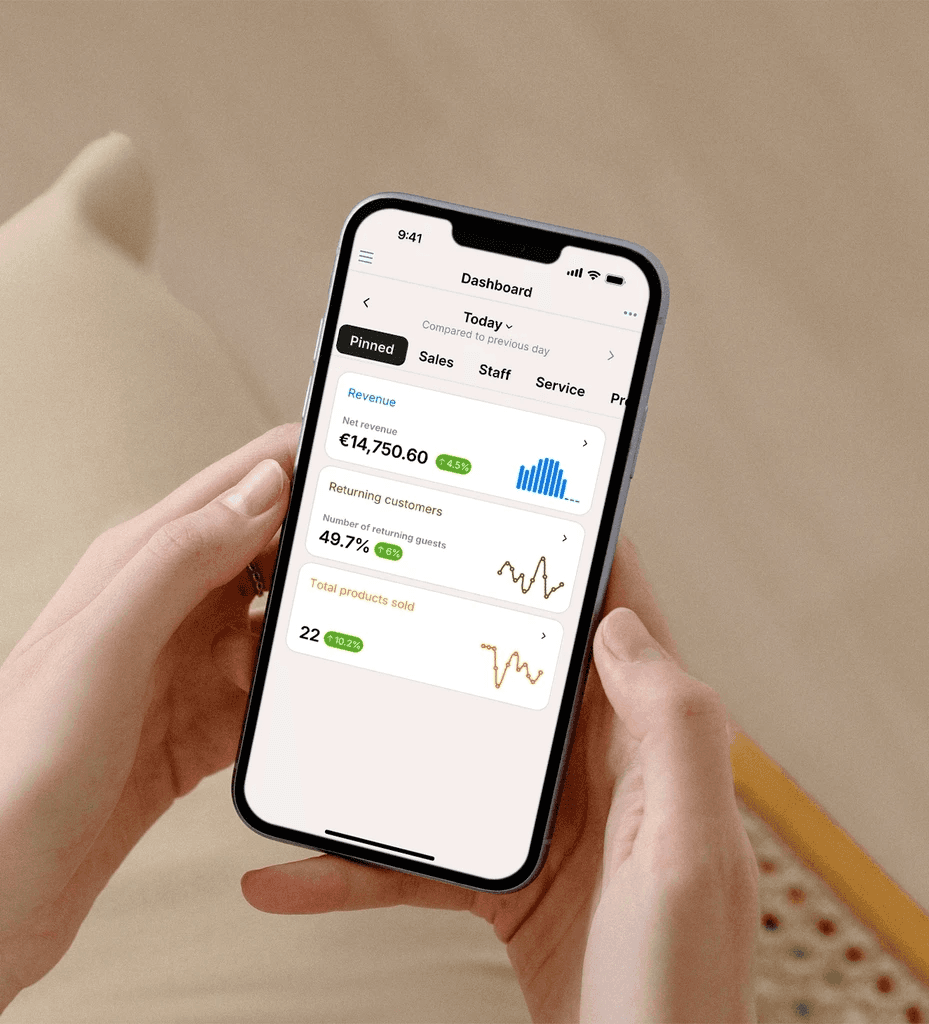
Tebi went from one market to eight in a year. The product grew with it. And billing, which had started as a simple subscription running inside Tebi's own point-of-sale system, turned into something with more exceptions, more pricing logic, and more moving parts than the system was meant to carry.
Lara Evertsen, Head of Finance said that "[the home-built solution] worked, it just came with workarounds here and there. Every billing run introduces new issues.".
Using the POS stack for billing made sense at the start - as anyone who’s built a payment system will tell you. Tebi already sits in the money flow for its customers, so the plumbing was right there, but the fit got worse as the business expanded. Billing runs increasingly rested on one engineer who owned the process, finance spent real time on each billing cycle on corrections, and the setup couldn’t quite flex to the pricing setup the business needed.
The question Tebi faced was: Do we keep carrying billing internally, or hand it to a partner built for it?
Build it, or hand it over
The decision came down to a practical read of the next two years, as building the pricing flexibility Tebi needed in-house would have meant standing up and maintaining a dedicated billing team. Marc, a product manager at Tebi, put the comparison plainly.
"Integrating into Solvimon versus building your own, it's such a clear go for Solvimon at the scale that we're operating." — Marc Hoynck, Product Manager, Tebi
Solvimon is built by the team that ran billing at €1T+ volume at Adyen, so the appeal wasn't a single standout feature in the demo. Tebi saw the pricing flexibility, but the stronger reaction was relief at not having to build and maintain this themselves.
The key benefits
Migrate to a well-designed system
The first thing to change was how much of this was carried by the team. Billing runs stop being an engineering side-quest that one person handles, and finance team got its cycle time back instead of spending it on the process.
Room to grow monetization without rebuilding
This is the part Tebi is most interested in. Configuring pricing logic in Solvimon means Tebi can adapt to new business models without treating it as an engineering project. The business can eventually own more of the plan and subscription changes directly, instead of routing everything through a build queue - the ultimate pricing velocity.
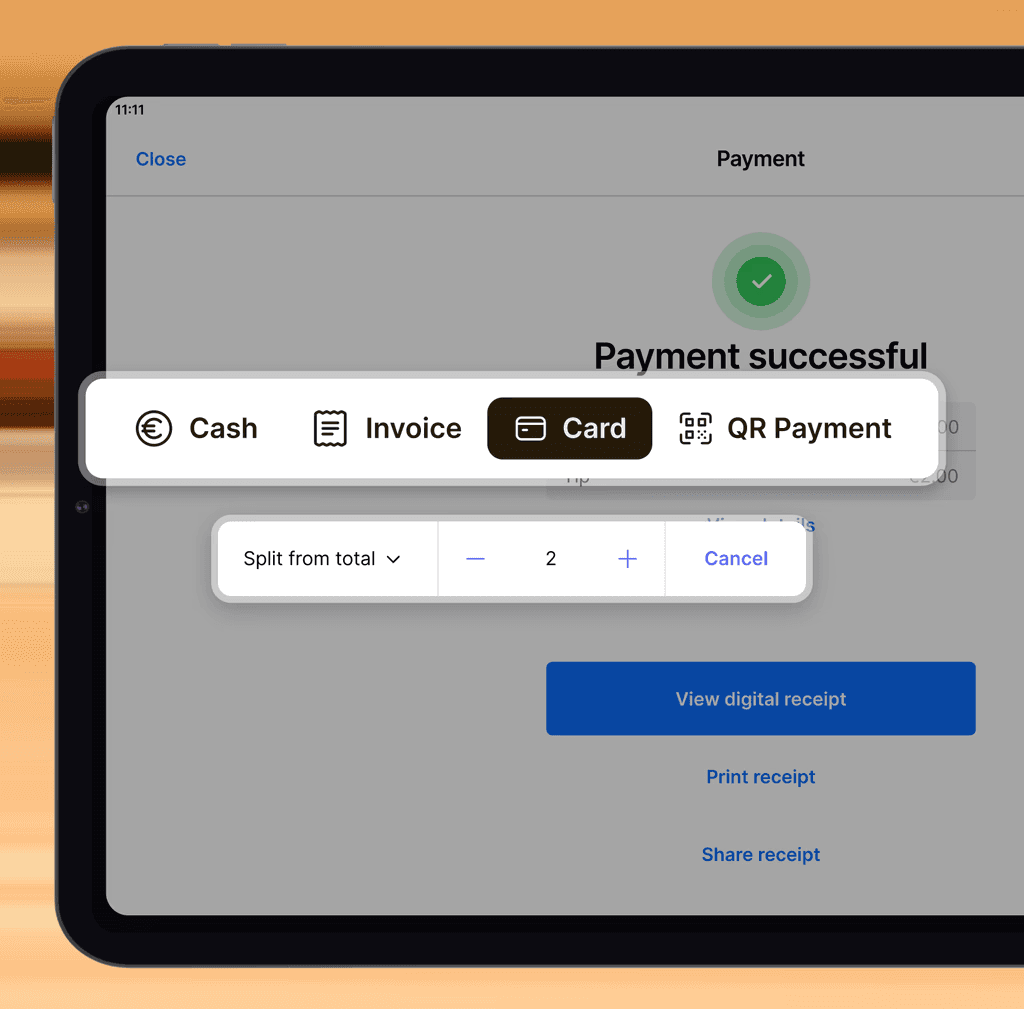
It also lines up with where the product is going. Tebi's pricing started as a flat subscription. As the roadmap moves toward usage-based and AI-driven products, billing has to track what customers actually use, not just charge a fixed fee. That's a metering problem, and it's the kind of thing you either build a team around or hand to infrastructure that already does it. Solvimon recently made this easier still, dropping the requirement to define meters up front, so Tebi can send usage data and price against it without a schema change every time.
"When we go more to AI type of products where you may want to track more usage rather than just a flat subscription fee, it becomes more difficult. So thinking about the future, it helps to have a partner like Solvimon you can trust." — Marc Hoynck, Product Manager, Tebi
A partner that builds what they ask for
When Tebi raised a unique discount configuration gap during onboarding, Solvimon discussed the requirement directly and built support for it. Tebi described the feature-request hit rate as "almost 100%" - for a team that has run its own billing for a year, a partner that actually ships the thing you asked for is not a small detail.
Tebi carried its own billing for as long as that was the sensible thing to do, and moved the moment it stopped being. For a company that grew into eight markets on the strength of its own product, knowing what to build and what to hand off is most of the job.